(Scroll Down for English)
Bu yazı, Altyazı Fasikül Dergisi’nde 4 Ağustos 2023’te yayınlanmıştır.
https://fasikul.altyazi.net/seyir-defteri/camur-goruntunun-savunmasi/
Karanlık saatlerde başlayan hayatları anlattığı yeni belgeseli için çekim yaparken Ankara’da gözaltına alınan Sibel Tekin’e yöneltilen suçlamalarda dikkat çekici ifadeler vardı. Savcılık, Tekin’in çektiği görüntülerin net ve kaliteli olmadığını söylüyor, bu durumu Tekin aleyhine delil sayıyordu. Bu “kötü” görüntüleri çeken kişi bir belgeselci olamazdı, şüphe çekiyordu… Yargıdaki bu kalite arayışı, belgeselci/video-eylemci Alper Şen’in aklına Hito Steyerl’in “çamur görüntü”lerin savunusuna giriştiği bir makalesini düşürdü. Düşünce sekansına Sibel Tekin ve Fasikül editörü Fırat Yücel’in de eklenmesiyle birlikte ortaya çıkan diyaloğu sizlerle paylaşıyoruz.
Yazı: Alper Şen
Sohbet: Sibel Tekin, Alper Şen, Fırat Yücel
Türkçe’den İngilizce’ye çevirmeye çalıştığımızda eksik kalan bir tanımlama var: poor image. Bunu kötü, zayıf, düşük çözünürlüklü, çamur vb. sıfatlarla tanımlamaya çalışsak da her defasında eksik kalıyor sanki. Hito Steyerl’in 2009’da yazmış olduğu “In Defence of Poor Image”1 yazısı bu çoklu tanımlama çabasına ayrı bir boyut katıyor. Nasıl tanımlarsak tanımlayalım, gündelik hayatımızın neredeyse her alanına giren ve görme algısının alıştığı, çözünürlüğü az ve hasarlı görüntüler yıllar içerisinde dünyada en çok dolaşan imajlara dönüştüler. Herhangi bir mesaj programına kolayca eklenebilecek bu görüntüler insan hakkı ihlallerinin görünür kılınmasından manipülatif ve ayrımcı nefret dilinin yayılmasına kadar birçok durumun/anın/söylemin görünür olmasını sağlıyor. Yıllar sonra bu yazının yeniden aklıma gelmesi belgesel yönetmeni ve yapımcısı Sibel Tekin’in yaz saati uygulamasının kalıcı olmasıyla karanlıkta uyanıp işe/okula gitmek, hayata başlamak zorunda olan kente dair ‘Karanlıkta Yaşamlar’ isimli belgeselinin çekimlerinde şüpheli görülüp gözaltına alınması ve ardından tutuklanmasıyla oldu. Yaşananların tuhaflığı mahkemede sunulan iddianame ile daha arttı:
“… mesleği ve savunmasının aksine gündüz vakti veya iş dönüşü veya aydınlık ortamların bulunabileceği ve daha sembolik yerler belgeselde kullanılabilecekken izleyici kitlesi açısından herhangi bir anlam ve önemi olmayan yine görüntü kalitesi olarak izleyeni net bir şekilde bir şey seçemeyeceği video içeriklerinin şüphelinin savunmasını desteklemediği…”
“Çamur İmajın Savunması” daha çok görüntülerin mülkiyeti ve dolaşımını ana eksene alsa da, görüntü kalitesinin bu kadar önemsendiği bir iddianameyi okurken, Hito Steyerl’in bu yazısındaki bazı tanımlamaların Sibel Tekin’e yöneltilen “suçlama ve şüphelere” bir anlamda cevap da barındırdığını düşündüm.

“…Böylece düşük kaliteli görüntü, paylaşılan bir tarih yarattığı gibi anonim küresel ağlar inşa eder. Seyahat ettikçe ittifaklar kurar, tercümeyi ya da yanlış tercümeyi kışkırtır, yeni kamusallıklar ve müzakereler yaratır. Görsel cevherini yitirerek, politik kuvvetinin bir kısmını kurtarır ve çevresinde yeni bir aura yaratır. (…) Düşük kaliteli görüntüler, düşüktür çünkü görüntülerin sınıflı toplumunda onlara herhangi bir değer atfedilmemektedir – gayrimeşru ya da alçaltılmış statüleri, bu toplumun kriterlerinden muafiyetlerini garanti altına alır. Çözünürlükten yoksun olmaları, temellük ve yerinden edilişlerini tasdik eder. (…) (Düşük kaliteli görüntü) daha ziyade, kendi hakiki varlık koşuluna dairdir: yığın dolaşıma, dijital dağılıma, parçalanmış ve esnek zamansallıklara dairdir. Konformizm ve sömürüye dair olduğu gibi meydan okuma ve temellük etmeye dairdir. Kısacası: hakikate dairdir.“
Bu çeviri parçası iddianamede suçlanan “çamur görüntüye” dair bir manifesto dili içeriyor. Hito Steyerl’in daha çok orijinal/kopya ayrımı üzerinden değerini görmüş olduğu çamur görüntüler, iktidar aygıtları tarafından da -farklı bir yorumla- çok önemsenmiş olacak ki görüntülerin keskin olmaması tehlikeli görülmekte. Peki bu görüntüler nasıl ve neden bu kadar tehlikeli hale geldi? Çoğu insan çektiği görüntülerin ya da kaydetme aracının (kamera/telefon) çözünürlüğünün yüksek olmasını ister doğal olarak. Ancak ülkede ne tür koşullar ya da sorunlar kaydedilen görüntüyü çamurlu ve tehlikeli hale getiriyor ve bizi de bir anlamda bu çamur görüntüye alıştırıyor? Bunun gibi sorulara bir anlamda cevaplar aramak için Sibel’le ve yazıyı yazmamı teklif eden Fırat’la yaptığımız sohbetlerin ortak akışı Walter Benjamin’in “Mekanik Yeniden Üretim Çağında Sanat Eseri” yazısından Julio García Espinosa’nın “Kusurlu Sinema”sına kadar uzanan görsel düşünce anlatılarını da beraberinde getirdi.
Camcorder/DSLR, 8/16 mm, amatör/profesyonel, gerçek/hayalet
Alper Şen: Poor image sizce nasıl çevrilir?
Sibel Tekin: Ben poor image’ı çamur görüntü diye tanımlıyorum. Galiba bu çamur görüntüleri estetik, temiz görüntülerden daha çok seviyorum. DSLR kameraların çok daha keskin net resimleri vardır. Ama bana bu kayıtlar olayın içine girmeyen, dışardan bakan göz gibi geliyor. Benim kullandığım ve o keskin görüntülerin yanında biraz çamur kalan görüntüler sanki yaşananları daha içeriden anlatıyor gibi geliyor. Objektifin niteliğine bağlı kalmadan istediğim kadar yaklaşıyorum mesela konuya ya da kalabalığa. Objektife bağlı kalarak bir çerçeve oluşturup bu çerçevenin içindeki insanlara “şimdi yürüyün, gelin” gibi komut vermek pek yaptığım bir şey olmadı. Yaptığım şey çoğu zaman kalabalık ne yapıyorsa olabildiğince onları takip etmek oluyor. Bunun da neredeyse yarısı kamera hareketlerinden ve olayı yakalama çabasından dolayı benim tabirimle çamur görüntü haline geliyor.
Fırat Yücel: Çamur görüntü çok güzel bir çeviri Sibel, sanki bir yönüyle de onların (net ve berrak görüntü talep eden mercilerin) görüntüsüne ‘çamur atmak’ anlamını taşıyor. O pürüzsüz görünmesi istenen gerçekliği bulandırmak anlamında… Meselenin sadece görüntü kalitesiyle ilgili olmadığına vurgu yapman da iyi oldu. Yeterince keskin (görüntünün sharpness’ı anlamında keskin) olmayan belli başlı görüntüler, esasında taşıdıkları anlam ve içerik dağarcığı açısından daha keskin olabiliyor (“kalem kılıçtan keskindir” lafındaki keskin anlamında, yani diyelim ki sivri uçlu). Bu da belgeselcinin “iyi görüntü” peşinde olmayı bırakıp başka yerlere, kuytulara, karanlıkta kalanlara bakması, görüntünün çamurlaşacağını, mizansenin karmaşıklaşacağını, deyim yerindeyse resmin bulanacağını bile bile bunu yapmasıyla alakalı. Ama bu sadece doğru yerde doğru zamanda olmak, görüntü yeterince berrak olmayacak olsa da (bunu bile bile) ‘o anı’ yakalamak şeklinde, yani foto-jurnalistik bir yeti olarak anlaşılmamalı. Çoğu kez göz önünde olanlar da ancak çamur görüntüyü göze aldığınızda görünür olabilir. Örneğin Sibel’in karanlıkta, gün ağarmadan çekim yapması ve kalıcı saat uygulamasının karanlıkta bıraktığı hayatları bu yolla görünür kılması gibi. Devletin belgeselciden profesyonellik talep etmesi, kötü/amatör görüntüye tahammülünün olmaması esasında bununla da ilgili bir şey: Sinemacıdan devlet aklının beklentisi “iyi görüntü” sunmasıdır; topraklarını bereketli, başakların boylarını uzun göstermesi… Aksini devlet aklı almaz, bir sinemacı, niye kendi memleketini “kötü” göstersin ki. Sansüre sebeptir.
Yani çamur görüntü, aslında görüntü kalitesinden çok kurumsal-ulusal beklentiyle uyumsuz bir görüntü sunmakla alakalı bence. Ulusal tahayyülle uyuşmayan görüntülerin çoğu sahiden de kötü ve kalitesiz olabilir çünkü bu görüntüleri almayı göze alanların arkasında devlet-sermaye desteği yoktur, dolayısıyla ekipmanları “iyi görüntü”ye izin vermez ama tam da arkalarında devlet-sermaye desteği olmadığı için oradadırlar zaten, o gerçekliğe bu sayede bakabiliyorlardır.
Geçen gün Kieslowski’nin Amatör’ünü (1979) izledim. Bir fabrika işçisinin eline kamera alıp çalışma ortamında filmler çekmeye başlamasıyla ilgili. Esasında çektiği filmlerin hiçbir özelliği yok, estetik ya da içerik anlamında, politik bakış anlamında rejimin dayattığı resmî sinema dilinden ayrışan hiçbir tarafı yok. Ama fabrika yönetimini rahatsız ediyor bu filmler çünkü yıkık dökük bina cephelerini gösteriyorlar, görünür kılıyorlar. “Profesyonel” bir sinemacı bunu yapmazdı, çünkü ‘yapmaması gerektiği’ni bilirdi, yaparsa bunun kültür dairesinin başındaki arkadaşını işinden edeceğini vs. bilirdi. “Amatör” olduğu için bina cephelerini saklamayan kadrajlar seçiyor. Dolayısıyla devlet ve sermaye bürokrasilerinin akıllarına sığmayan şey sadece “kötü görüntü” değil, aynı zamanda ‘kötü gösteren görüntü’; bu ikisi birbiriyle tarihsel bir ilişkiye sahip. Pürüzsüz görüntü talebi aynı zamanda bina cephelerinin pürüzsüz görünmesinin talebi; fabrika yönetimi, filmin kahramanı Filip’e ancak bunu kabul ederse, yani bina cephelerini ‘kötü göstermemeyi’ kabul ederse, yöresel zenginliklerin vs. belgesellerini yapmayı kabul ederse 16 mm kamera alacak, görüntü kalitesi ancak bu koşulla 8 mm’den 16 mm’ye “yükselecek”.

Sibel’in davasında savcının iddianamesine dönmek isterim burada. “İnsanların, araçların, binaların net olarak görülmediği bir video kaydının belgesel işiyle uğraşan ve profesyonel olduğunu iddia eden şüphelinin çekimi ile uyumlu olmadığını” ifade ediliyordu. Aslında buna “doğrudur, uyumlu değildir” diye cevap vermek gerekir belki ? O anlamda, insanları, araçları, binaları ‘net’ gösterecek bir profesyonellik, zaten devletin ve sermayenin görevlendirdiği profesyonel belgeselcilerden çıkar, onların kurumsal filmlerinden çıkar. Onların gözünde “amatör” olanlarsa binalardaki çatlakları gösterecektir. Çamur görüntüyü bu politik anlamıyla da sahiplenmeliyiz.
Çamur görüntünün gücü bir anlamda buradan da geliyor olabilir. Peki sen, ‘Karanlıkta Yaşamlar’ belgeselinin çekimleri sırasında, savcılığa göre bu “şüpheli” çekimleri yaparken ne düşünmüştün Sibel?
S.T. Aslında kameradan çok tripodla çıkmam lazım diye düşünmüştüm. Tripod olsa en azından sallanmayan görüntüler olacaktı. Sonra da zaten az bir zaman var, tripodu kurup da çerçeveyi oluşturana ve çekene kadar muhtemelen kaçıracağım, o yüzden tripodu almayayım yanıma dedim. Öyle çıktım. Aslında hareketli de değil, sabit planlar çekmeye başladım, ama tabii az ışık onu da etkiliyor. Tripodlu çektiğinde de tripodu kurup çerçeveyi oluşturuyorsun, ondan sonra istediğin şeyin oradan geçip gitmesini bekliyorsun ya da takip ediyorsun falan… Normal şartlarda bunun daha estetik bir şey olması için, daha iyi kamera olarak camcorder yerine DSLR olsaydı keskinlik açısından daha iyi görüntüler olabilirdi ya da o saatlerdeki ışık ayarına göre, güçlü bir objektifle daha iyi görüntü alınabilirdi. Ama ben bir yandan da DSLR kullanmayı da kendi adıma çok tercih etmiyorum. Belgesel için hantallaştıran bir özelliği olduğunu düşünüyorum. Çerçevesini oluşturup, ama objektif ancak bu kadarını veriyor demek yerine camcorder ile yaklaşabileceğim kadar konuya yaklaşmayı tercih ediyorum. Gözaltına alınıp tutuklandıktan sonra bu işi gözlemci bir belgesel diye düşünüyordum ama, gidip de sokakta yakaladığım spontane şeyleri çekmek yerine karakter belirlesem daha iyi olurmuş, bunu düşünmedim değil.
A.Ş. Karakter merkezli belgesel çekmiyor olmak şüphelendirici bir durum gibi oluyor sanki.
S.T. Eylemlerden tanıdığım temizlik işçileri vardı. Acaba onlarla mı haberleşsem, evden nasıl işe çıkıyorlar, onları mı çeksem diye planlıyordum. Belki öyle şeylerle başlamaya çalışabilirdim dedim de bir yandan… Cep telefonu da daha iyi koşullarda çekebilirdi ya da kendi kameramı manuel ayarlarda değil de otomatik ayarlara getirsem muhtemelen daha görünür olurdu kaydettiklerim. Ama görüntünün grenini artırmak ya da hareketlerin akışını bozmak yerine diyafram değerleri ile oynayıp mümkün olduğunca gain ile oynamamayı tercih ediyorum. Öyle olunca, tripodsuz da olunca tabii görüntüler “sıkıntılı” oldu. Aslında estetize olursa çok daha iyi, ama içeriği kaçırmamak, önce hikâyeyi yakalamak gerek diye düşünüyorum. O da biraz videografi ile olan bir şey gibi geliyor bana. Çünkü sinematografi dediğin zaman planlamak, istediğin anda müdahale etmek gibi şeyler işin içine giriyor. O zaman da doğallık kayboluyor gibi geliyor. Son zamanlarda benim de üzerine sıkça düşündüğüm bir şey bu: Acaba estetik kareler mi? Biraz daha sinematografik olsun, çerçeve düzgün olsun, buradan girsin takip ederim dediğinde bu sefer katılımcıya müdahale etmeye başlıyorsun. Benim orada olduğumu unutsunlar ve ben takip edeyim onları desen de bir kurgunun içinde oluyorsun.
Hayaletler, kusurlu sinema, seyirci/üretici
A.Ş. İddianameyi okuduğumda açıkçası ilk başta aklıma gelen şey, hayalet vs. temaları üzerine yapılan bazı korku filmlerindeki güvenlik kamerası kayıtlarının ya da el kameralarındaki rastgele çekimlerin hayalet gibi şeylerin varlığının ispatı olarak sunulduğu sahneler olmuştu. İronik ya da sarkastik bir benzetme gibi görünebilir, ama aslında birçok kurmaca filmde görünen düşük çözünürlüklü ve belli belirsiz video imajları yönetmenin/senaristin izleyiciyi olayların gerçekliğine ya da samimiyetine ikna etme çabası sonucunda kullanılıyor.

Nasıl çevirilir hâlâ bilemiyorum ama “poor image” çoğu zaman sinemada kurmaca öyküler ile gerçek yaşam arasındaki bağlantıyı kuran görüntüler olarak da ortaya çıkıyor. Bugüne dair kayıt yöntemlerinin çeşitlenmesi ve sıradanlaşması ile birlikte geçmiş zamana dair o bozuk, belirsiz, rastgele çekilen görüntülerin yeniden üretilemeyecek olması, bu görüntüleri maddi ve manevi anlamda da metalaştırıyor. Bu düşünce akışı arşiv kayıtlarının ve buluntu görüntülerin bugünün görsel dünyasındaki kullanımındaki politik ve estetik içeriğe dek uzansa da şimdilik Sibel Tekin’in kaydettiği ve iddianamede belirtilen “net olmayan görüntülerin” özelliklerini yine Steyerl’in yazısında Espinosa’nın “Kusurlu Sinema İçin” (For an Imperfect Cinema) manifestosundan yola çıkarak yaptığı yeni medya tanımıyla ifade etmek de mümkün.
“Espinosa, manifestosunda aynı zamanda yeni medyanın vaatleri üzerine kafa yorar. Video teknolojisinin gelişiminin, geleneksel film yapımcılarının seçkinci konumlarını tehlikeye atacağını ve bir tür kitlesel film üretimini, halkın sanatını, mümkün kılacağını açıkça öngörür. Düşük kaliteli görüntülerin ekonomisi gibi, kusurlu sinema da yaratıcı ve seyirci arasındaki ayrımı azaltır ve yaşam ile sanatı kaynaştırır. En önemlisi, görselliğinin kararlılıkla tehlikeye atılmış olmasıdır: Kusurlu sinema, bulanıktır, amatördür ve yapaylıkla doludur.“
Bir yandan da Espinosa’nın kusurlu sinema betimlemesi Walter Benjamin’in fotoğraf makinasının icadı ile sanatın yeryüzüne nasıl indiğini coşkuyla tarifine (Mekanik Yeniden Üretim Çağında Sanat Eseri/Work of Art in the Age of Mechanical Reproduction) benziyor: Artık hepimiz Mona Lisa gibi ölümsüz sanat eserlerinin kendisini değil ama fotoğraflarını görebiliyoruz. Sanat artık yeryüzüne inmiş durumda ve hatta kalabalıkta, caddede Mona Lisa resmi yerlere düşüp çamura bulanabiliyor. Espinosa’nın, 1969’da yazmış olsa da bugünü açıkça betimlediği yazısındaki gibi: Artık sinema/sanat izleyicisi olmaktan öte hiyerarşik ve ayrımcı bir eğitim sürecine dahil olmadan elimizdeki bu mükemmel olmayan kaydetme ve kurgulama cihazları ile üretici de olabiliyoruz.
F.Y. Espinosa’nın 69 yılında bu kadar öngörülü olması, bu bakışın Küba’nın belgesel dalgalarından çıkmış olması çok etkileyici. Brezilya/Glauber Rocha’nın bakışından daha eşitlikçi bir tavrı da var Espinosa’nın. Rocha da ‘yoksulluk gücümüzdür’ diyor ama onda biraz da ulusal/auteur sinema yüceltmesi var. Bu yazar/auteur ile seyirci arasındaki hiyerarşinin ortadan kalkma meselesi işin en kritik tarafı. Sibel’in davasında da savcının ‘kalite’ye bu kadar kafayı takmış olması (belgesel kaliteli görüntülerden oluşmalıdır, karanlığa yer yoktur gibi bir bakışla), aslında bir yandan mevcut hiyerarşileri koruma yönünde değerlendirilebilir (yani belgeselciliği bir uzmanlık alanı olarak, “profesyonelce” yapılacak bir şey olarak görme ve “işi bilmeyen”in hani belgesel değil de ancak örgütsel keşif yapıyor olabileceği fikri vs.), ama bir yandan da esasında savcı da ironik biçimde, tıpkı Espinosa/Steyerl gibi “poor image”a politik güç/mahiyet bahşetmiş oluyor. Karanlıkta kötü görüntü alıyorsa = profesyonel değildir = öyleyse bir politika adına davranıyordur = görüntü aletlerinin profesyonel olmayanların, ‘seyirci’ konumundakilerin eline geçmesi tehlikeli. Bu bizim açımızdan olumlu bir şey olarak görülebilir; ben öyle görüyorum mesela, profesyonellik dışında kalmak, kurumsallık dışında kalmak…
Sibel’in davasında, avukatların savunmasının ise daha çok teknik bir yerden kurulduğunu söyleyebiliriz. Yani savunma belgeselcinin kötü görüntü çekme hakkını koruyan bir yaklaşım yerine -hukuki olarak belki anlamsızdır bilemem- Sibel’in kötü görüntü çekmiş olmasını lehte bir delil olarak formüle ediyor. Sibel’in ilk duruşmasıyla ilgili yaptığımız haberden:
“İddianamede Tekin’in sabaha karşı çekim yapması ‘olağandışı’ olarak değerlendirilmiş, Tekin’in ‘keşif faaliyeti’ yaptığını iddia eden savcının çekimlerin kalitesini (karanlık olmalarını) niye gündeme getirdiği anlaşılamamıştı. Bu konuda avukat Yiğiter şu sözleri sarf etti: ‘Sibel, Sony marka el kamerası kullanıyor. Teknoloji olarak da 2010’lu yılların kamerası var elinde, çözünürlüğü düşük. Karanlık koşullarda maksimum çekebileceği mesafe 3 metre. Bunu savcı da saptamış. Savcı, hem ‘keşif faaliyeti var’ diyor hem de binalar, araçlar ve insanlar net değil’ diyor. Gayet açık ki bu keşif için uygun bir kamera değildir. Oysa el konulan telefonun çekim kabiliyeti çok daha yüksektir. Sibel, çekim yapmak isteseydi o telefonla çekim yapabilirdi.’”
Önleyici saldırılar, karanlık metaforu, hiçkimsenin görüntüsü
A.Ş. Bu yaşadığın süreç belgeselin içine girecek mi? Belgesele başlamanla beraber biraz da polis ya da devlet kurumları da bir şekilde belgeselin yapımına dahil olmuş oldu.
S.T. Bu aklıma geldi ama deprem olunca bu fikirleri bir yere koymuş oldum. Bu ayrıca sağlam bir hikâye muhtemelen. Bir yandan da kendimi filmin içine sokma kısmı çok bana göre bir şey olmadığı için de hemen kenara koymayı tercih ettim. Belgesel çekiyor diye başlayıp tutuklanma hikâyesine dönen şeyin belgeseli de iyi olur aslında. Bununla ilgili bir şey yaparsam diye hapishanedeki bir sürü mektubu getirdim ve nasıl bir görsellik yapılır onlarla falan diye düşündüm.
A.Ş. Sibel’in kayıtları iddianamede teknik olarak değerlendirilirken kullandığımız teknik ekipmanların bile mesaj içerebileceğini fark etmiş olduk. Ancak bir iletişim kuramcısının düşüncelerini değil, bir suçlamayı okuyoruz iddianamede. Sibel’in kendi düşünceleri ve estetik bakışı doğrultusunda düşündüğü belgesel yapma yönteminden cinsel kimliğine kadar her şey savcılık tarafından bir mesaja ya da sembole dönüştürülüyor. Öte yandan iddianamede Sibel, belgeselinde sembolik anlatımlar kullanmadığı için eleştiriliyor (normalde suçlanıyor yazmam gerekiyor). Sibel’in yapmış olduğu filmin içeriğinde “suç teşkil eden” bir şeyden bahsedilmiyor, film yapım aşamasının daha en başında kamerasının düşük çözünürlüğü ve kayıtlarının kalitesi suç işleme araçlarına dönüşüyor. Anlattıkça daha da sarkastik olan bu durum bize içinde bulunduğumuz dönemin egemen bakışını da gösteriyor. Bundan yaklaşık 20 yıl önce ABD Irak’a saldırmadan önce “önleyici saldırı” adında bir güvenlik yöntemi ortaya atmıştı. “Irak ABD’ye saldırmıyor, ama öyle bir niyeti olabilir” düşüncesi ile Irak işgal edildikten sonra tüm dünyadaki otoriter rejimler beğenmedikleri her türlü düşünceyi daha oluşum aşamasında boğmak için bu yöntemi daha rahat kullanmaya başladılar. Film yapmaktan da önce kaydetmenin engellenmek istenmesi bizim bir kültür savaşının tam içinde olduğumuzu da gösteriyor. O nedenle muhalif basın açıklamalarında/eylemlerde açıklamayı yapacak kişiler kadar onu kaydeden kişiler de iktidar aygıtları tarafından tehlikeli görülüyor. Bugün de engelleme olarak tanımlayacağımız yasaklar ve kısıtlamalar egemen güçlerin hoşuna gitmeyeceği bir zamanı karartmak adına yaptığı “önleyici saldırı.” Kimsenin kaydedemediği muhalif bir eylem, sosyal medyada da yer bulmadığı için yaşanmamış bir zaman gibi olacaktır.
Kitlesel olmayan ya da medya tarafından bir şekilde yalnızlaştırılmış bu eylemlere dair Sibel’in tarif ettiği çamur görüntüler, çerçevenin içindekini gösterdiği kadar kaydettiği zamanın doğrusal akışını da anlatıyor. Çoğu zaman görüntünün çözünürlüğü ile o videonun kurgusallığı arasında ters orantıya tanık oldum. Tuhaf bir denksizlik hali. Yüksek çözünürlüklü bir görüntünün -gerçekliğine dair demeyeyim ama- kurgusal olup olmadığına dair şüphe genelde daha çok oluyor. Sanki bir eylem değil de film izliyoruz. Ya da şöyle somut birkaç örnek vereyim; Tuzla Tersanesi’nde bir basın açıklaması yapılacak, herhangi bir medya da gelmemiş, karşılarında onlarca polis ve her an bir şey yapmaya hevesli insanlar. Kırılacağı ya da el konulacağı ihtimalini göz önünde bulundurmak durumundasın, iyi bir kamerayla gitme riskini alamazsın. Bu durumda kaydedilen, çeviriye geri dönersek yoksulun imajı oluyor tersanedeki işçilerle birlikte. Ya da yüksek çözünürlüklü bir kamera o anı kaydediyor olsaydı, Tahir Elçi yine öldürülür müydü? Gerçeği de, dayanışmayı da o çamur görüntülerde bulmaya çalışmak aslında işin kendisi oluyor çoğu zaman.

S.T. 2010’dan beri bitmeyen bir şeyin içindeyiz. Tekel Direnişi, Gezi ve sonrasında uzunca bir süre devam eden süreç… Suruç, 10 Ekim, sonra yine katliamlar, darbe, salgın… Herkesin 10 yıllık yaşamına bu kadar çok şey sığar mı merak ediyorum ama 2015’ten beri gittikçe kararan bir şey var hayatımızda. İmaj ya da metafor olarak geceyi, karanlığı kullanmayı seviyorum aslında. Ya da bir dönemi anlattığımda kullanmaktan vazgeçemediğim bir kavram ya da zaman bir yandan da. Bu sene çekmeye başladığım ‘Karanlıkta Yaşam’ filmi de aslında uyanamamaktan çıktı. Yaz saati uygulaması yüzünden ben dahil insanların gecenin karanlığında hayata başlamak zorunda kalmalarını çekmeye çalışırken yaşadığımız faşizmin karanlığı da böyle sembolize edilmiş oldu. Gece karanlığında işe gitmek zorunda kaldığımda mutsuz, uykulu insanlar gördükçe, lisede servis kullanmayan ve okula yürüyerek gitmek zorunda olan çocuklar nasıl gidiyor acaba diye düşündükçe bu belgesel fikri ortaya çıktı. Sonra araya salgın girdi. Bu yıl da vakit bulduğumda aklıma gelen bu fikri çekmeye başladım. Çekim için ilk aklıma gelen yer Tuzluçayır’dı, semtteki insanlara kendimi daha yakın hissettiğim için belki de. Çekimin ilk gününde de yine uyanamadım ve geç kaldım. Kızılay’a inebildim ilk gün. İkinci gün Tuzluçayır’a gittim. İlkinde Tuzluçayır’a gitmiş olsaydım, mahkemede dediğim gibi “bu benim ikinci gün çekimimdi” bile diyemeyecekmişim demek ki. Gece vaktinde temizlik işçileri gibi çalışanlar da var. Tanıdığım bir işçiyle konuşsam, mesaiye başladıkları yeri öğrensem ve gece onu takip etsem ve belgesel böyle başlasın gibi şeyler de düşündüm. Ya da bir fırında simitlerin çıkışını çekmek gibi sahneleri planlıyordum. Ama bunu tercih etmeyip karakter belirlemektense herkesin ve hiçkimsenin görüntüsünü kaydetmeyi daha çok tercih ettim. En azından bu filmde böyleydi.
Bazı belgesellerde hikâyesini anlatmak istediğim karakteri betimlemek yapmayı istediğim de bir şey. Ama toplumsal mücadelelerde her durumda bir işçinin hikâyesi ile birlikte herkesin ve hiç kimsenin görüntüsü olarak mücadelenin hikâyesini de takip ediyorum. Mahkemede Dersim, Kızıldere anmalarını da benim çekip çekmediğimi sordular. “Siz sadece görmek istediklerinizi görüyorsunuz. 2013’ten beri özellikle Ankara’da sokaklarda yaşanan neredeyse her şeyi çekiyorum; milliyetçilerin mitingleri, muhafazakarların basın açıklamaları, futbol taraftarlarının yürüyüşleri de dahil olmak üzere.” Çektiğim şeylerin arkasındayım ve önemli gördüğüm için sokaklardaki yaşamı kaydetmeye hep devam ettim.
Sansür, 4K, beyaz motosiklet, güvenlik kameraları
A.Ş. Sürecin kendisi baştan sona ironi içerdiği için olsa gerek tutuklanma ve mahkeme sürecine dair de ironik bir şey söylemek bile saçma kalıyor, bir başka endişe ise bunları yazarken bile herhangi bir metaforun da farklı yorumlanacağını düşününce çoğu kez yazıp silmek de bir rutine dönüşebiliyor. Bu durumu, baskının otoriterliğin sıradanlaşmasını ironiye vurmak ya da metafora dönüştürmek yeni bir filme ya da çalışmaya konu olabiliyor döngüsel bir şekilde bir yandan da. Baskıcı rejimlerde sinemanın ne kadar alegorik ve dolaylı anlatılar barındırdığını anlatırken içinde bulunduğumuz durumun tam olarak da ona dönüşmesi karanlık bir ironi. Bir filmi tamamladığında bunun gösterimi için yaşayacağın muhtemel zorluklardan önce, artık çekim aşamasının da artan baskıyla zorlaştırılması. Bu durumda yine de kasvetli bir tanımlama ya da tespit yapmak ne kadar anlamlı bilmiyorum, ama “kötü görüntü” burada devreye giriyor bir başka çıkış yolu olarak bu kuşatılmışlık hissinden çıkmak için. Şöyle bir ayrım ya da soru mesela, iyi kameralarla aynı konu üzerine metaforlarla dolu ve defalarca üzerinden geçilmiş, otosansüre ve sansüre uğramış bir anlatı ya da o konuya dair bir güvenlik kamerası kaydının içerdiği anlatı. Burada gerçekliği karşılaştırmak istemem, güvenlik kamerasının gerçekliği de, içerdiği açıdan dolayı görecelidir. İran sinemasındaki niteliğin yıllar içerisinde sansürle beraber yükselişi ilk ayrımın gittiği yolu da tarif ediyor. Bu durumda bir tercih yapmak gerekmiyor, her iki anlatı da birbiriyle ilerleyebiliyor bir yandan. Sadece hızları ve kolayca kamusallaşmaları bu çamur görüntülerin yüksek çözünürlüklü metaforlarından uzaklaşarak görsel dünyada daha çok etki etmesine neden olabiliyor.
F.Y. İran sinemasının Batı’da algılanma biçimi, sansüre poetika yükleyerek çok tehlikeli bir şey yaptı bence. Devlet sansürünün etrafından dolanmayı neredeyse artistik bir yeti, bir meziyet olarak kodladı, bu pratiğe şiirsellik yükledi. İran sineması 70’ler ve 80’lerdeki, kendi sinema pratiğine ayna tutan özelliklerini yitirip bir çeşit elegant anlatı sinemasına döndü. Bu elegantlık politik ve estetik dağarcığı çok sınırlandıran bir şey bence. Bu anlamda poor image dediğimiz şeye bir çeşit ‘kabalık’ da atfetmek isterim; yeri geldiğinde kaba olmaktan çekinmemek, ya da kaba olan ve ince olan arasında bir manevra alanına sahip olabilmek… Tuzla Tersanesi’nde ancak kötü kamerayla, lensle kaydedilebilecek görüntülerle daha kontrollü çekilmiş “güzel” genel planları bir arada kurgulayabilmek. Bir yukarıdan çekmek, bir de aşağıya inip işçilerin arasında çekim yapmak ve bunları yan yana getirmekten çekinmemek. Filmin tek ve kusursuz bir uyak dizgesini takip etmemesi, bir kabalaşıp bir incelebilmesi. Bunu “sanat sineması” denilen şey elegantlaşma ve profesyonelleşme ile birlikte büyük oranda yitirdi. Artık sadece kurmaca filmlerden değil çoğu belgeselden bile tek bir görüntü üslubuna ve kalitesine uymaları bekleniyor (Anlatının/hikâyenin izin verdiği türler hariç tabii: güvenlik kamerası estetiğini kullanan belgeseller, yine bu estetikten realizm çıkartan bazı arthouse filmler, dedektiflik belgeselleri ve -mış gibi yapan korku/snuff filmleri…). Çok konuştuğumuz bir şey… Sadece video-deneme gibi daha düşük bütçeli formlarda kaba/ince, kötü/iyi görüntü arasında gidip gelebiliyor, gerçekliğin farklı yüzeylerini arşınlayabiliyorsunuz (Aslında bu çok-formluluk, İkinci Sinema’nın dayattığı ‘bütünlüklü tek form’ anlayışına karşı, militan sinemanın/Üçüncü Sinema’nın da savunduğu şeylerden biriydi 70’lerde, bugünün siyasi sinema ufkunaysa kısmen sirayet etti.) Öte yandan, bugün video-denemede de bir ‘kişisellik’ baskısı var; sanki tüm bu farklı kalitede ve formda, farklı dönemlerden kameralarla çekilmiş görüntüleri sadece bireysel bir anlatı bir arada tutabilirmiş gibi.
Esasında İran sinemasında güçlü bir video-deneme ekolü de var ve onlar “incelik” peşinde değil çoğunlukla. Hatta bugün İran’daki feminist devrimin görsel rejimde yarattığı kırılma, eylem görüntüsü/imajı dediğimiz şeye yüzlerden bağımsız olan, kişileri aşan bir yaşamsallık (ya da yaşamla ölüm arasındaki ikiliği aşan bir bedensellik de denilebilir) yüklüyor. Bir Kadın Devriminin Figürleri: İmajlarıyla Etkileşen Bedenler yazısı bunu çok iyi anlatıyor. Bu noktada, kötü görüntünün, çamur görüntünün daha kolektif bir görüntü olduğunu ya da en azından buna daha fazla imkân tanıdığını da düşünebiliriz belki. Zira kaliteli görüntüye imkân tanıyan finansal kaynaklar ‘yüzlerin belirginliği’ni ve bireysel hikâyelerin, karakterlerin vs. öne çıkarılmasını da dayatıyorlar. Belgesellerde ve eylemlerde karakter ararken, yüz ararken çok şey kaçırılabilir, sadece başka insanlar ve kolektif hareket etmenin ya da kolektif blokajın gücü de değil, bazen araçlar, nesneler ve arkalarındaki tarihler de kaçırılabiliyor böylesi bir görüntü rejiminde.
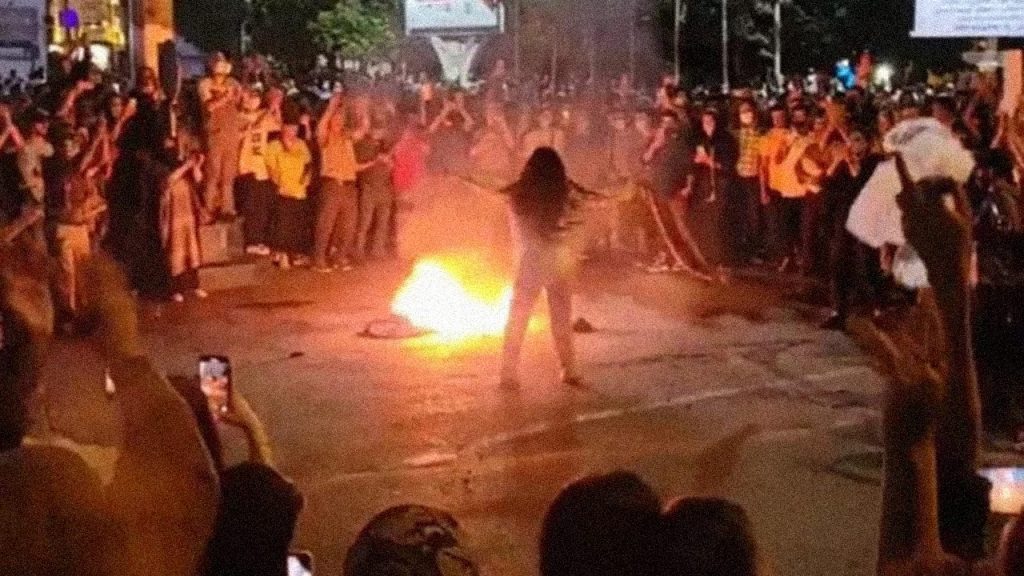
Alper, senin de dediğin gibi, kaliteli görüntülerin kolektif kullanıma kapalı olmasının bir nedeni de kolay paylaşılır olmamaları, 4K bir malzemeyi bırak birilerine transfer etmeyi, kendin bile kurgulayamıyorsun güçlü bir kurgu ekipmanı olmadan. Daha düşük kalite görüntüler ise kolaylıkla paylaşılabiliyor ve gitgide de whatsapp’tan ordan burdan paylaşıldıkça kalite kaybına uğruyorlar. Gitgide eylemdeki yüzler daha da belirsizleşiyor, kişileri değil, eylemin kendisini ve kolektif bedeni yansıtan bir hal alıyorlar. Bu bizim için sadece politik bir tınıya sahip değil, hukuki anlamda da daha güvenilir çünkü zaten yüzlerin deşifre olmasını istemiyoruz. Düşük çözünürlüklü bir görüntüyü daha içimiz rahat ederek paylaşıyoruz. Yani çamur görüntü hem üretim sürecinde kolektif imgeleme daha açık, hem de dolaşım sürecinde kolektif kullanıma daha açık. Büyük TV kanalları, yeni, exclusive, telifi alınmış, yüksek kalite görüntü peşinde koşarken, çamur görüntüler elden ele dolaşıyor ve kaliteli, telifli, watermark’lı görüntülerin aksine, isteyen herkesin remiksine, yorumuna açık görüntüler bunlar. Görüntüye sanat sinemasında olduğu gibi yücelik atfedilmiyor, ya da pahalı TV görüntüleri gibi telif derdi olmuyor, isteyen herkes görüntü yüzeyinin üzerine yazı yazabiliyor mesela. Bence bu da, yani dönüştürülebilir, üzerinden yeni anlamlar üretilebilir, metinle ve sesle yorumlanabilir olması da çamur görüntüye kolektif güç katıyor. Yani sadece metaforlarla aşınmamış, daha “gerçek” bir görüntü değil kötü görüntü, aynı zamanda üzerinden okur yazarlık yapmaya daha açık bir görüntü. Sibel, sen de çamur görüntünün kolektif imkânlar anlamında böyle bir etkiye sahip olduğunu düşünüyor musun? Bu görüntüler senin sinematografik dili daha öne çıkan belgesel çalışmalarında nasıl bir yer ediyor?
S.T. Hiçbir medya kuruluşunun gelmediği eylemleri çektiğim çok olmuştur. En görünmeyenleri, medyada karanlıkta kalanları çekmek… Seyri Sokak da bu niyetle oluşmuştu. 2013’te Gezi sonrasında Tuzluçayır’daki halkın mücadelesi ve ODTÜ’ye yapılmaya çalışılan otoyola karşı basın açıklamaları ilk başlarda yapmış olduğumuz kayıtlardı. Sonrasında da muhalif basının bile kaydetmediği, o “sıkıcı” basın açıklamalarını çekmekle devam ettik. Şimdiki 10 Ekim anmaları da öyle artık. Son 10 Ekim anmasında benimle birlikte sadece polis kameraları vardı. Aslında bazen de yıllarca hiç değişmeyen bir mücadelenin hep sürdüğünü görüyorsun. 10 Ekim katliamı için anıt yapılacak denmişti en son, hâlâ bir gelişme olmadı. Bütün sorumluların yargılanması isteniyordu, o da olmadı. Ülke koşullarında değişmeyen bir şeyi çekiyorsun sanki yıllardır. Ama değişen şeyler de var tabii ki. Bu dava sürecinde Serhat’ın, Sarp’ın nasıl büyüdüğünü, da doğrusu tüm bu süreçte çocukların 10 Ekim sonrasında nasıl yetiştiklerini görüyoruz. 10 Ekim anmaları için başka şehirlere gidiyoruz. Altıncı yılda Hatice Kapusuz, Barışa Uçan Kanatlar adı ile 10 Ekim’de yaşamını yitirenler için kuşlar çizmişti. Sonrasında da bu kuşlardan çanta ve kupa bastırdık. Haziran 2022’de Antalya’da anmaya gitmiştik. Uygar Coşgun’un oğlu, “Annemin Hatice diye bir arkadaşı var. Kuş çiziyor. Biz de o kuşlardan kupaları, çantaları satıyoruz. Böylece babam için bir şey yapmış oluyorum” demişti.
“Beyaz Motosiklet”, Aslı Esma Karaca’nın yıllardır peşinde koştuğu bir hikâye. 10 Ekim Ankara Katliamı, Esma ile tanışmamıza sebep oldu ve bu belgeseli de birlikte yapmamızı sağladı. Esma ilk Tayfur Cinemre ve motosikletinin öyküsünü anlattığında Deniz Gezmiş’in yakalandığı beyaz motosiklet ve onun -68 anlatılarında yer almayan sahibi- Tayfur olarak aklımda kalmıştı. İlk bakışta bireysel bir hikâye gibi geliyor. Hatta bu konuda eleştiriler de geliyor. Ama Tayfur Cinemre’nin katkısıyla bireyselden kolektif bir hikâyeye dönüşmüş oldu. Tayfur Cinemre şöyle demişti: “Biz bu mücadeleyi kolektif yürüttük, tek başına benim hikâyem olmaz.” Böylece çekimin birine Hasan Ataol’u, bir diğerine Tuncer Sümer’i getirdi. Aslında diğer karakterleri dahil ederek ürettikleri kolektif mücadeleyi filme o sokmuş oldu. Esma, 68 model beyaz Java bulup çekime başlıyoruz dediğinde, profesyonel kameramanlarla çalışmayı önermiştim “68’leri çekiyoruz, benim çekimimle kalmasın, iyi bir kameramanla çalışalım ki sıkıntı olmasın” diye. Öyle de yaptık. Gürcan Öztürk ve Namık Uğur kameraman oldular. İlk çekim gününe dair unutamadığım bir an var. Esma beyaz bir motosiklet ayarladı, Tayfur Cinemre ve Hasan Ataol geldi. ODTÜ’de çekimdeyiz, Namık bana baktı “Ne çekeceğiz?” diye. “Bilmiyorum” dediğimi anımsıyorum. Röportajları tamamlayıp kurgu aşamasına geçtiğimizde hikâyeyi kavradım diyebilirim. Aslında meselenin sadece Deniz Gezmiş’in yakalandığı motorsiklet değil, Hüseyin İnan’ın, Cihan Alptekin’in, Sinan Cemgil’in arkasında yolculuk yaptığı motosiklet olduğunu anlamış oldum. Türkiye 68’i deyince akla gelen ilk iki üç ismin değil de, az bilinenlerin, görünür olmayanların hikâyesini anlattık ve bundan dolayı daha değerli ve önemli hale geldi benim için de. Tüm bu çalışmalar arasında da tabii ki ‘Karanlıkta Yaşam’ belgeselinin çekimleri de devam edecek.

F.Y. Seni kaydetmiş olan güvenlik kameraları da var. Onlar da katılabilirmiş filme, ne kadar mümkün bilmiyorum ama. Kolektif belgesel yapmaya çalışırken biz hep bir havuz oluşturmaya çalışıyoruz. Emek Sineması belgeseli “Özgürleşen Seyirci”de (2016) yaptığımız şey de oydu. İnsanlara çağrı yaptık. Bize görüntülerinizi, seslerinizi getirin, hep beraber belgesel yapmak için kolları sıvayalım gibi bir çağrıydı. İnsanlar hep şey diyordu, “benim görüntülerim çok kötü, cep telefonuyla çektim, dikey çektim olmaz size” falan… Sonradan belgesel yaparken o görüntüler filme çok iyi oturdu. Bazen içerik daha önemli olabiliyor. Bazen kötü görüntünün kendisi aslında daha güçlü olabiliyor. Görüntüler arasında hiyerarşi kuran bir estetik düzen üzerinden kolektif belgesel yapılamaz zaten. O yüzden senin durumun da çok kolektivize edilebilecek bir konu. ‘Sabah karanlığına uyandığınızda, işe gittiğinizde çekim yapın’ türünden çağrılar yapıldı, seninle dayanışma amacıyla böyle çekimler yapıldı.
S.T. Hepsine tam bakamadım ama, böyle sosyal medyadan sabah görüntüleri paylaşılmış. Bunların da kullanılabileceğini düşünüyorum.
F.Y. Evet, senin için yapılan kampanyada farklı format ve çözünürlükte görüntüler var. O yüzden kötü görüntü/iyi görüntü hiyerarşisini kırmak değerli. “Herkesin elinde o sinematografik aletler/koşullar olmayabilir” demek açısından da değerli bu.
A.Ş. Sibel’in içinde bulunduğu durum belgeseli başka bir şekilde yapılandırıyor. Güvenlik kamerası da seni karanlıkta çalışırken çekiyor. Karanlıkta da kameralar arasındaki sınıf ayrımı daha çok belirginleşiyor galiba. Gün ışığında daha eşit gibiyiz. Gece kaydetme özelliği Sibel’in kamerasından muhtemelen daha iyi olan bir mobese kamerası karanlıkta Sibel’i teşhis ediyor. Karanlığı kaydetmenin sınıfsal ve iktidar diline yeniden dönüyoruz.
S.T. Son olarak hapishanede güvenlik kameraları ile ilgili şöyle bir şey oldu. İlk kaldığım yer çocuklu tutukluların da olduğu bir koğuştu. Orada havalandırmayı ve orada kalanı gören güvenlik kameraları vardı. İlk oraya gördüğümde o kısımda güvenlik kamerasının olmasının normal olduğunu düşündüm. Sonra koğuş değiştirdik, o koğuş bina olarak da daha eskiydi. Orada da kameralar özel olan odaları görmüyordu ama diğer yerlerde vardı. Diğer tarafta da hiçbir yerde güvenlik kamerası yoktu. O sırada olması mı, yoksa olmaması mı kötü meselesini düşündüm. Çünkü öncekinde çocuklar da olduğu için çocukların güvenliği için koymuşlar galiba. Diğer tarafta da mesela adli mahkûmlar vardı iki tane koğuş. Ve her akşam kavga çıkıyordu. Öyle tutuklular arasında sıkıntı yaşandığında o güvenlik kamerasının olmaması orada olan birisi için tedirgin edici bir şey. Bir taraftan o kadar alışmışız ki bu güvenlik meselesi haline… O ikileme düşmüştüm koğuşu değiştirdiğimizde. Güvenlik kamerasına öyle alışmışız ki yokluğu da tedirgin etmişti beni bir yandan.
NOTLAR
- Hito Steyerl’in makalesinden bu yazıda yapılan alıntılar Sanatatak’ta yayımlanan Türkçe çevirisinden: Düşük Çözünürlüğü Savunmak, çev. Çiçek Üşümezgezer, Sanatatak, 26 Ocak 2021
—
In Defense of Mud Image
This article has been published in Turkish in Altyazı Fasikül Journal 4th August 2023.
https://fasikul.altyazi.net/seyir-defteri/camur-goruntunun-savunmasi/
During the shooting of her new documentary that depicts lives beginning in dark hours, Sibel Tekin, who was arrested in Ankara, faced notable accusations. The prosecution claimed that Tekin’s footage was not clear and of high quality, considering it as evidence against her. The person capturing these “bad” images couldn’t be a documentarian, arousing suspicion… This quest for quality in the judiciary led documentarian/video activist Alper Şen to recall an article by Hito Steyerl, defending “mud images.” With the addition of Sibel Tekin and Fasikül editor Fırat Yücel to the chain of thought, we share the dialogue that emerged.
Text: Alper Şen
Conversations: Sibel Tekin, Alper Şen, Fırat Yücel
When we attempt to translate from Turkish to English, there’s a description that remains incomplete: “poor image.” Even if we try to define it with terms like bad, weak, low resolution, mud, etc.. it seems to fall short every time. Hito Steyerl’s essay “In Defense of Poor Image,” (1) written in 2009, adds another dimension to this effort of multiple definitions. Regardless of how we define it, these low-resolution and damaged images, which have entered almost every aspect of our daily lives and have become the most circulated images in the world over the years, are what the visual perception has become accustomed to. These images, with their low resolution and damaged quality, have become visible in many situations/moments/discourses, ranging from making human rights violations visible to the spread of manipulative and discriminatory hate speech, and can easily be added to any messaging program. Years later, recalling this essay, Sibel Tekin, a documentary director and producer, was awakened in the dark by the permanence of daylight saving time and had to go to work/school, starting her day, for the shooting of her documentary titled “Lives in Darkness,” which deals with the city where one has to start life under such conditions. She was seen as suspicious and detained, then arrested. The strangeness of what happened increased even more with the indictment presented in court: “… contrary to her profession and defense, daytime or after work or in well-lit environments, where more symbolic places could have been used in the documentary, the video contents that the suspect cannot clearly choose anything as significant or meaningful for the audience and the image quality does not support the suspect’s defense…” While “In Defense of Poor Image” mainly focuses on the ownership and circulation of images, when reading an indictment where image quality is emphasized to such an extent, I thought that some of the definitions in Hito Steyerl’s essay also provided a response to the “accusations and suspicions” directed at Sibel Tekin.
(…) The poor image thus constructs anonymous global networks just as it creates a shared history. It builds alliances as it travels, provokes translation or mistranslation, and creates new publics and debates. By losing its visual substance it recovers some of its political punch and creates a new aura around it (…) Poor images are poor because they are not assigned any value within the class society of images—their status as illicit or degraded grants them exemption from its criteria. Their lack of resolution attests to their appropriation and displacement (…) The poor image is no longer about the real thing—the originary original. Instead, it is about its own real conditions of existence: about swarm circulation, digital dispersion, fractured and flexible temporalities. It is about defiance and appropriation just as it is about conformism and exploitation.
In short: it is about reality. (1)

This translation excerpt contains a manifesto-like language regarding the “mud image” accused in the indictment. Mud images, which Hito Steyerl has primarily valued in terms of the original/copy distinction, seem to have been greatly valued by power apparatuses as well—albeit with a different interpretation—given that the lack of sharpness in the images is seen as dangerous. So, how and why have these images become so dangerous? Naturally, most people would prefer the images they capture or the recording device (camera/phone) to have high resolution. However, what kinds of conditions or problems in the country are turning the recorded image into a muddy and dangerous one, and in a way, getting us accustomed to this muddy image? To seek answers to questions like these, the conversations I had with Sibel and Fırat, who proposed I write the article, brought forth a shared stream of visual thought narratives ranging from Walter Benjamin’s “The Work of Art in the Age of Mechanical Reproduction” to Julio García Espinosa’s “Imperfect Cinema.”
Camcorder/DSLR, 8/16 mm, amateur/professional, real/ghost
Alper Şen: How would you translate “poor image”?
Sibel Tekin: I describe “poor image” as “mud image.” I guess I prefer these mud images more than aesthetic, clean images. DSLR cameras produce much sharper and clearer pictures. But to me, those recordings feel like an outsider’s perspective, not immersed in the event. The images with a bit of mud alongside those sharp images I use seem to tell the story from within. Regardless of the lens quality, I can get as close as I want to the subject or the crowd. I rarely stick to the frame dictated by the lens and give commands like “walk now, come here” to the people within that frame. What I often do is simply follow whatever the crowd is doing as much as possible. And almost half of that turns into mud images, due to camera movements and the effort to capture the event.
Fırat Yücel: “Mud image” is a very good translation, Sibel. It seems to carry the meaning of ‘throwing mud’ at their (the authorities demanding clear and sharp images) image in a way. In the sense of muddying the reality they want to appear smooth… It’s good that you emphasized that the issue is not only about image quality. Certain images that are not sharp enough, in terms of the sharpness of the image, can actually be sharper in terms of the meaning and content they carry (in the sense of being pointed). This is related to the documentarian abandoning the pursuit of “good image” and looking elsewhere, into the corners, to the ones left in the dark, knowing that the image will become muddy, the scene will become more complex, and figuratively speaking, the picture will be blurred. But this shouldn’t be understood merely as being in the right place at the right time, capturing ‘that moment’, even if the image isn’t clear enough (knowingly doing so), in a photo-journalistic sense. Often, even the visible ones can only become visible when you accept the mud image. For example, like Sibel making the lives left in the dark by the daylight saving time visible by shooting in the dark, before dawn. The demand for professionalism from the documentarian by the state, the lack of tolerance for poor/amateurish images, is essentially related to this as well: The expectation of the state mind from the filmmaker is to present a “good image”; to make their land fertile, to make their wheat tall… The state mind doesn’t accept otherwise, why would a filmmaker show their own homeland as “bad”? It’s a reason for censorship. So, mud image is actually about presenting an image that is incompatible with institutional-national expectations, I think. Most images that do not fit the national imagination can indeed be bad and of poor quality because those who are willing to take these images do not have state-capital support behind them, so their equipment does not allow for “good images,” but they are there precisely because they do not have state-capital support behind them, enabling them to look at that reality in this way.
Few days ago, I watched Kieslowski’s “Amateur” (1979). It’s about a factory worker who starts filming in the workplace by taking a camera in his hand. In fact, the films he shoots have no special features, neither aesthetically nor in terms of content, nor do they diverge from the official cinema language imposed by the regime in terms of political perspective. But these films bother the factory management because they show the dilapidated building facades, making them visible. A “professional” filmmaker wouldn’t do this because they would know what they “shouldn’t do”; they would know that if they did, it would jeopardize their colleague at the cultural department, etc. Being an “amateur,” he chooses frames that don’t hide the building facades. Therefore, what doesn’t fit into the minds of state and capital bureaucracies is not only “poor image” but also ‘image that portrays poorly’; these two have a historical relationship with each other. The demand for smooth image is also a demand for the building facades to appear smooth; if the factory management accepts this, i.e., if it accepts not to ‘portray poorly’ the building facades, it will accept making documentaries about local riches, etc., and only then will it purchase a 16 mm camera, and the image quality will “elevate” from 8 mm to 16 mm only under these conditions.
I’d like to return to the prosecutor’s indictment in Sibel’s case here. It stated that “the footage captured by the suspect, who claims to be involved in documentary work and professional, where people, vehicles, and buildings are not clearly visible, is not compatible.” Actually, perhaps the response should be “true, it’s not compatible” ? In that sense, a professionalism that would make people, vehicles, and buildings ‘clearly’ visible already comes from professional documentarians commissioned by the state and capital, from their corporate films. Those considered “amateurs” by them will show cracks in the buildings. We should also embrace the political significance of the mud image.
The power of the mud image may also come from here in a sense. So, what did you think, Sibel, while making these “suspicious” shots according to the prosecutor during the shooting of the “Lives in Darkness” documentary?
S.T. Actually, I thought I should take the tripod for the camera. If I had a tripod, there would at least be stable shots. Then, I thought I might miss it until I set up the tripod and framed it, and maybe I wouldn’t take it with me, so I said not to take the tripod. So, I went out like that. In fact, it’s not even moving; I started shooting fixed shots, but of course, low light affects it too. When you shoot with a tripod, you set up the tripod and frame the shot, then you wait for what you want to pass from there or follow it… Under normal circumstances, if it were more aesthetic, if it were a better camera than a camcorder in terms of sharpness, or depending on the light setting at those hours, a better image could have been taken with a powerful lens. But on the other hand, I don’t really prefer using a DSLR either. I think it has a feature that makes it cumbersome for documentaries. I prefer to get as close to the subject as possible with a camcorder rather than saying that the lens only gives this much. After being detained and arrested, I thought of this as an observational documentary, but I didn’t think of characterizing instead of shooting spontaneous things on the street.
A.Ş. Not shooting a character-centered documentary seems suspicious.
S.T. I knew some cleaning workers from the demonstrations. I was planning whether to contact them, how they leave home for work, and whether to shoot them. Maybe I could try to start with such things, I said on the one hand… A mobile phone could have shot in better conditions, or if I had set my camera to automatic settings instead of manual settings, what I recorded would probably have been more visible. But instead of increasing the grain of the image or disrupting the flow of movements, I prefer to play with aperture values and not play with gain as much as possible. So, without a tripod, of course, the shots were “problematic.” In fact, if it were aesthetic, it would be much better, but I think not to miss the content, to catch the story first. That also seems to be something related to videography to me. Because when you say cinematography, things like planning and intervening at the moment you want come into play. Then it seems like the naturalness is lost. This is something I’ve been thinking about a lot lately: Maybe aesthetic shots? When you say, “Let it be a bit more cinematic, let the frame be straight, I’ll follow from here,” then you start to intervene with the participant. Even if you say forget that I’m there and let me follow them, you’re still within a certain narrative.
Ghosts, imperfect cinema, audience/producer
A.Ş. When I read the indictment, the first thing that came to my mind, to be honest, was scenes from some horror movies where security camera footage or random shots from handheld cameras are presented as evidence of the existence of ghosts. It may seem like an ironic or sarcastic analogy, but in fact, low-resolution and blurry video images seen in many fictional films are used as a result of the director/screenwriter’s efforts to convince the audience of the reality or sincerity of the events.
I still don’t know how to translate it, but “poor image” often emerges in cinema as images that establish a connection between fictional narratives and real life. With the diversification and normalization of recording methods today, the fact that those corrupted, unclear, randomly shot images from the past cannot be reproduced further commodifies these images both materially and spiritually. While this line of thought extends to the political and aesthetic content of the use of archival recordings and found footage in today’s visual world, for now, it is also possible to express the characteristics of the “unclear images” recorded by Sibel Tekin and mentioned in the indictment with a new media definition based on Steyerl’s essay and Espinosa’s manifesto “For an Imperfect Cinema.”

(…) In his manifesto, Espinosa also reflects on the promises of new media. He clearly predicts that the development of video technology will jeopardize the elitist position of traditional filmmakers and enable some sort of mass film production: an art of the people. Like the economy of poor images, imperfect cinema diminishes the distinctions between author and audience and merges life and art. Most of all, its visuality is resolutely compromised: blurred, amateurish, and full of artifacts. (1)
On the one hand, Espinosa’s description of imperfect cinema resembles Walter Benjamin’s enthusiastic description of how art descended to earth with the invention of the camera (Work of Art in the Age of Mechanical Reproduction): Now we can see not the immortal works of art like Mona Lisa itself, but their photographs. Art is now on earth and, in fact, in the crowd, on the street, a picture of Mona Lisa can fall and get muddy. Like Espinosa described in his essay, written in 1969: We can now be producers with these imperfect recording and editing devices without being part of a hierarchical and discriminatory education process that goes beyond being a cinema/art viewer.
F.Y. It’s very impressive that Espinosa was so prophetic in 1969, and this perspective emerged from the documentary waves of Cuba. Espinosa also has a more egalitarian attitude than Brazil/Glauber Rocha. Rocha also says ‘poverty is our power,’ but he also has a bit of a national/auteur cinema elevation. The disappearance of the hierarchy between the author and the audience is the most critical aspect of the issue. In Sibel’s case, the prosecutor’s obsession with ‘quality’ (documentaries should consist of high-quality images, there is no place for darkness, etc.), can actually be evaluated as preserving existing hierarchies (viewing documentary filmmaking as a professional domain, seeing it as something to be done “professionally,” and the idea that someone who doesn’t know the job may not be making a documentary but merely organizational exploration, etc.), but at the same time, ironically, the prosecutor, just like Espinosa/Steyerl, attributes political power/nature to the “poor image.” If bad images are captured in the dark = it is not professional = therefore, they must be acting for a policy = it is dangerous for image tools to fall into the hands of non-professionals, those in the ‘audience’ position. This can be seen as a positive thing from our perspective; I see it that way, for example, staying outside of professionalism, staying outside of institutionalism…
In Sibel’s case, we can say that the defense of the lawyers is more technical. In other words, rather than an approach that protects the documentary filmmaker’s right to shoot bad images – which may be legally meaningless – Sibel’s shooting of bad images is formulated as favorable evidence. From our news coverage of Sibel’s first trial:
“In the indictment, Tekin’s shooting in the early hours of the morning was considered ‘unusual,’ and it was not understood why the prosecutor, who claimed Tekin was conducting ‘exploratory activities,’ raised the issue of the quality of the shots (being dark). In this regard, lawyer Yiğiter made the following remarks: ‘Sibel uses a Sony handheld camera. Technologically, she has a camera from the 2010s, with low resolution. The maximum distance she can shoot in dark conditions is 3 meters. The prosecutor has also determined this. The prosecutor says, ‘there is exploratory activity,’ and also says that buildings, vehicles, and people are not clear.’ It is quite clear that this is not a suitable camera for exploration. However, the shooting capability of the confiscated phone is much higher. If Sibel had wanted to shoot, she could have done so with that phone.'”
Preemtive Strikes / The Metaphor of Darkness / The Absence of Anyone’s Image
A.Ş. Will this process you’re going through be included in the documentary? With the start of the documentary, somehow the police or state institutions also became involved in the production of the documentary.
S.T. I thought about this, but when the earthquake happened, I put these ideas aside. This could also be a strong story, probably. On the other hand, I preferred to set it aside immediately because the part of inserting myself into the film is not really my thing. It would actually be good to have a documentary that starts with filming and turns into a story of arrest. I brought a lot of letters from prison and thought about how to create visuals with them and so on, if I ever do something about it.
A.Ş. When reading the indictment regarding Sibel’s recordings, we realized that even the technical equipment we used could convey a message. However, what we read in the indictment is not the thoughts of a communication theorist, but an accusation. Everything from Sibel’s own thoughts and aesthetic perspective on documentary filmmaking to her sexual identity is being turned into a message or symbol by the prosecution. On the other hand, Sibel is criticized (I should actually say accused) in the indictment for not using symbolic expressions in her documentary. Sibel’s film does not mention anything “constituting a crime” in its content; rather, right from the beginning of the filmmaking process, her camera’s low resolution and the quality of her recordings are being transformed into tools for committing a crime. This situation, which becomes even more sarcastic as it is explained, shows us the dominant perspective of the era we are in.
About 20 years ago, before the US attacked Iraq, a security method called “preemptive strike” was introduced. After invading Iraq with the idea that “Iraq may not be attacking the US, but it might have such an intention,” authoritarian regimes around the world started to use this method more easily to suppress any kind of dissenting thought at its inception. The attempt to prevent recording even before making a film also shows that we are right in the midst of a cultural war. Therefore, those who record, as well as those who will make statements in opposition press releases/actions, are seen as dangerous by the apparatuses of power. Today, the bans and restrictions we would describe as hindrance are “preemptive strikes” made to darken a time that the dominant powers would not approve of. A dissenting action that no one recorded, and therefore did not find a place on social media, will be perceived as a time that did not happen.
Sibel’s description of the mud images related to these non-massive actions or those somehow isolated by the media not only shows what is inside the frame but also narrates the linear flow of the recorded time. I have often witnessed an inverse proportionality between the resolution of the image and the fictionality of that video. A strange state of imbalance. There is usually more doubt about whether a high-resolution image is fictional or not, rather than about its reality. It’s as if we’re not watching an action but a movie. Or let me give a few concrete examples: A press statement is going to be made at the Tuzla Shipyard, no media has come, they are facing dozens of police officers and people eager to do something at any moment. You have to consider the possibility of being broken or confiscated, you cannot risk going with a good camera. In this case, if we return to translation, what is recorded becomes the image of the poor alongside the workers in the shipyard. Or if a high-resolution camera had recorded the moment, would Tahir Elçi still have been killed? Trying to find both the truth and solidarity in those mud images often becomes the essence of the matter.

S.T. We’ve been in something that hasn’t ended since 2010. The Tekel Resistance, Gezi, and the process that followed for a long time… Suruç, October 10, then again massacres, coup attempts, pandemics… I wonder if so many things can fit into everyone’s ten-year life, but there has been something increasingly dark in our lives since 2015. I actually like to use the night, darkness as an image or metaphor. Or it’s a concept or time that I can’t give up using when I’m telling a period. The film ‘Lives in the Dark,’ which I started shooting this year, actually emerged from not being able to wake up. While trying to capture people starting their lives in the darkness of the night because of daylight saving time, the darkness of the fascism we are experiencing was symbolized in this way. As I saw unhappy, sleepy people going to work in the darkness of the night and thought about how the children who don’t use transportation in high school and have to walk to school go, this documentary idea came up. Then the pandemic intervened. This year, when I found the time, I started shooting this idea that came to mind. The first place that came to mind for shooting was Tuzluçayır, maybe because I feel closer to the people in the neighborhood. On the first day of shooting, I couldn’t wake up again and was late. I could only make it to Kızılay on the first day. On the second day, I went to Tuzluçayır. If I had gone to Tuzluçayır first, as I mentioned in court, I wouldn’t have been able to say “this was my second day of shooting” in court, it seems. There are also those who work like cleaning workers at night. I thought about talking to a worker I knew, learning where they start their shifts, following them at night, and starting the documentary like this. Or I was planning scenes like shooting the exit of bagels from a bakery. But rather than choosing to determine characters, I preferred to record everyone’s and no one’s image. At least that’s how it was in this film.
In some documentaries, describing the character I want to tell the story of is also something I want to do. But in social struggles, I follow the story of the struggle as everyone’s and no one’s image along with the story of a worker’s life in every situation. In court, they asked whether I shot the Dersim, Kızıldere commemorations. “You only see what you want to see. Since 2013, I have been shooting almost everything that happens on the streets, especially in Ankara; including nationalists’ rallies, conservatives’ press releases, and football fans’ marches.” I stand behind what I shoot, and because I consider it important, I have always continued to record life on the streets.
Censorship / 4K / White Motorcycle / Security Cameras
A.Ş. Perhaps because irony pervades the process from beginning to end, it seems absurd to say anything ironic about the arrest and trial process, and another concern is that even writing about these things, any metaphor could be interpreted differently, so writing and erasing often becomes a routine. This situation can sometimes turn into a new film or work, cyclically, to strike irony at the banality of repression, or to transform it into a metaphor. It is a dark irony that while describing how cinema in oppressive regimes contains allegorical and indirect narratives, our current situation is exactly turning into that. Before facing the likely difficulties of screening a film when it is completed, the shooting phase is also made difficult by increasing pressure. In this situation, I don’t know how meaningful it is to make a gloomy description or observation, but the “poor image” comes into play here as another way out to escape from this feeling of siege. For example, a distinction or question: a narrative full of metaphors and repeatedly censored about the same subject with good cameras, or a narrative contained in a security camera recording of that subject. I don’t want to compare the reality here; the reality of the security camera is also relative due to the angle it contains. The rise of quality in Iranian cinema over the years alongside censorship describes the path that the first distinction takes. In this case, there is no need to make a choice; both narratives can proceed together. Only their speeds and ease of becoming public can sometimes make these mud images deviate from high-resolution metaphors in the visual world.
F.Y. The way Iranian cinema is perceived in the West, by loading poetics onto censorship, is very dangerous in my opinion. The state’s censorship has almost encoded avoiding it as an artistic skill, a virtue, and imbued this practice with poetry. Iranian cinema lost its characteristics of reflecting on its own cinematic practice in the 70s and 80s and turned into a kind of elegant narrative cinema. I think this elegance significantly restricts political and aesthetic repertoire. In this sense, I would like to attribute a kind of ‘crudeness’ to what we call the poor image; not being afraid to be crude when necessary, or having a maneuvering space between what is crude and what is delicate… Being able to shoot “beautiful” general plans taken more controlled with bad cameras and lenses at Tuzla Shipyard. Not hesitating to shoot from above, then going down and shooting among the workers, and putting them side by side. Not following a single and perfect rhyme scheme of the film, being able to oscillate between crudeness and delicacy. This is something that “art cinema” largely lost with elegance and professionalism. Now, not only narrative films but also most documentaries are expected to adhere to a single image style and quality (except for the genres allowed by the narrative/story: documentaries using security camera aesthetics, some arthouse films extracting realism from this aesthetic, detective documentaries, and horror/snuff films pretending to be real…). It’s something we talk about a lot… Only in forms like video essays with lower budgets can we oscillate between crudeness and delicacy, explore different surfaces of reality (Actually, this multi-form approach was one of the things militant cinema/Third Cinema defended against the ‘unitary single form’ understanding imposed by Second Cinema in the 70s, partly infiltrated into today’s political cinema horizon.) On the other hand, today there is also a pressure of ‘personalization’ in video essays; as if only individual narratives can hold together all these images shot with different quality and form, from different periods.
In fact, there is a strong video essay tradition in Iranian cinema, and they are mostly not in pursuit of ‘delicacy’. In fact, the rupture created by the feminist revolution in Iran in the visual regime loads what we call the action image/image of action with a vitality that transcends hundreds of faces, individuals (or can be called a corporeality that transcends life and death). An Essay on the Figures of a Women’s Revolution: Bodies Interacting with Images explains this very well. At this point, we might consider that the poor image is a more collective image, or at least it allows for more possibilities for it. Because financial resources that allow for high-quality images also impose ‘clarity of faces’ and the foregrounding of individual stories, characters, etc. When looking for characters in documentaries and actions, faces can miss a lot, not only the power of other people and collective action or blockage, sometimes tools, objects, and the histories behind them can also be missed in such an image regime.
Alper, as you also mentioned, one reason why high-quality images are not open to collective use is because they are not easily shareable; leaving aside transferring a 4K material to someone else, you cannot even edit it yourself without a powerful editing equipment. On the other hand, lower-quality images can be easily shared and as they are shared via WhatsApp and other platforms, they gradually lose quality. Faces in actions become more obscure over time, taking on a form that reflects not individuals but the action itself and the collective body. This is not only politically resonant for us but also legally more reliable because we don’t want faces to be exposed. We share a low-resolution image with more peace of mind. So, mud images are both more open to collective imagination in the production process and more open to collective use in the circulation process. While major TV channels chase after new, exclusive, copyrighted, high-quality images, mud images circulate from hand to hand, and unlike quality, copyrighted, watermarked images, these are open to remixing and interpretation by anyone interested. The image is not attributed with grandeur as in art cinema, nor does it have copyright issues like expensive TV images; anyone can write on the image surface, for example. I think this, namely being transformable, producible of new meanings, and interpretable with text and sound, adds collective power to mud images. So, it’s not just an unweathered, more “real” image but also a more open image for literacy. Sibel, do you think mud images have such an effect in terms of collective possibilities in your documentary works where your cinematic language stands out?

S.T. I have often filmed events that no media organization has come to cover. Filming the most invisible ones, those left in the dark in the media… Seyri Sokak was formed with this intention. After Gezi in 2013, the struggle of the people in Tuzluçayır and the press releases against the highway planned to be built to METU (Middle East Technical University – Ankara) were the recordings we initially made. Then we continued to film the “boring” press releases that even the opposition media did not cover. The recent October 10 commemorations are like that now. In the last October 10 commemoration, there were only police cameras with me. Sometimes you also see that a struggle that has remained unchanged for years continues. It was said that a monument would be built for the October 10 massacre, but there has been no progress yet. The trial of all those responsible was demanded, but that did not happen either. It’s like you’re filming something that hasn’t changed in the country’s conditions for years. But there are also things that change, of course. In this trial process, we see how Serhat, Sarp, and all the children have grown up, and how the children have been raised after October 10. We go to other cities for October 10 commemorations. In the sixth year, Hatice Kapusuz drew birds for those who lost their lives on October 10 under the name “Wings Flying to Peace.” Afterwards, we had bags and mugs made from these birds. In June 2022, we went to Antalya for a commemoration. Uygar Coşgun’s son said, “My mother has a friend named Hatice. She draws birds. We sell cups and bags with those birds. That way, I’m doing something for my dad.”
“White Motorcycle” is a story that Aslı Esma Karaca has been pursuing for years. The October 10 Ankara Massacre led to my meeting with Esma and enabled us to make this documentary together. When Esma first told the story of Tayfur Cinemre and his motorcycle, the white motorcycle on which Deniz Gezmiş was captured and its owner – Tayfur, who was not mentioned in the -68 narratives – stayed in my mind. At first glance, it seems like an individual story. In fact, criticisms come about this. But with Tayfur Cinemre’s contribution, it turned from individual to collective story. Tayfur Cinemre said: “We conducted this struggle collectively; my story alone wouldn’t suffice.” Thus, the shoot brought Hasan Ataol to one scene and Tuncer Sümer to another. Actually, by including other characters, they managed to incorporate the collective struggle they produced into the film. When Esma said, “We’re starting shooting with a white 68 Java,” I suggested working with professional cameramen, saying, “We’re shooting 1968 Movement, let’s not stick with my shooting, let’s work with a good cameraman so there won’t be any trouble.” And so we did. Gürcan Öztürk and Namık Uğur became cameramen. There’s a moment from the first day of shooting that I can’t forget. Esma arranged a white motorcycle, Tayfur Cinemre and Hasan Ataol came. We’re shooting at METU, Namık looked at me and said, “What are we going to shoot?” I remember saying, “I don’t know.” When we completed the interviews and moved on to the editing stage, I grasped the story. I understood that it was not just the motorcycle on which Deniz Gezmiş was captured but the motorcycle on which Hüseyin İnan, Cihan Alptekin, and Sinan Cemgil journeyed. We told the story of the lesser-known, invisible figures rather than the first two or three names that come to mind when Turkey’s 1968 is mentioned, and for that reason, it became more valuable and important to me. Among all these works, of course, the shooting of the documentary ‘Lives in the Darkness’ will continue.
F.Y. There are also security cameras that have recorded you. I don’t know how possible it is for them to join the film, but… When trying to make a collective documentary, we always try to create a pool. That’s what we did in the documentary about Emek Cinema, “Audience Emancipated” (2016). We called out to people. “Bring us your footage, your sounds, let’s roll up our sleeves together and make a documentary.” People were always saying, “My footage is very bad, I shot it with a cell phone, I shot it vertically, it won’t work for you,” and so on… Later on, those images fit very well into the documentary. Sometimes the content can be more important. Sometimes the bad image itself can actually be stronger. You can’t make a collective documentary through an aesthetic order that creates hierarchy among images. That’s why your situation is a very collectivizable subject. Calls like “When you wake up in the morning darkness, when you go to work, shoot!” were made, and such shots were made in solidarity with you.
S.T. I couldn’t look at all of them, but footages of morning has been shared on social media. I think these can also be used.
F.Y. Yes, there are footage of different formats and resolutions made for you in the campaign. So breaking the hierarchy of bad image/good image is valuable. It’s also valuable in terms of saying, “Not everyone may have cinematic tools/conditions.”
A.Ş. Sibel’s situation restructures the documentary in a different way. The security camera also records you working in the dark. In the dark, the class distinction between cameras seems to become more pronounced. We seem more equal in daylight. The night recording feature of Sibel’s camera, which is probably better than a CCTV camera in the dark, identifies Sibel. Recording darkness returns to the class and power discourse.

S.T. Finally, something happened with the security cameras in prison. The first place I stayed was a ward where there were also juvenile detainees. There were security cameras there that could see the ventilation and those staying there. When I first saw that part, I thought it was normal for there to be security cameras there. Then we changed wards, and that ward was also older as a building. There, the cameras didn’t see the private rooms, but they were present in other areas. On the other side, there were no security cameras anywhere. At that moment, I wondered whether it was good or bad to have them or not. Because in the first ward, maybe they put them there for the safety of the children since there were kids too. On the other side, for example, there were two wards with detainees awaiting trial. And every evening there was a fight. When there was trouble among the detainees, the absence of that security camera was unsettling for someone there. We’ve become so accustomed to this security issue… I was caught in a dilemma when we changed wards. We’re so used to security cameras that their absence also made me uneasy.
Notes: 1. In Defense of the Poor Image, Hito Steyerl, E-flux Journal, November 2009, https://www.e-flux.com/journal/10/61362/in-defense-of-the-poor-image/