Scroll Down for English AI Translation
Ağaçların Bozkırkurdu
Ağustos ayında haberlerde görmüştüm. Ankara’da Hüseyin Gazi Tepesi’ndeki ormanlık arazide yangın çıkmış yazıyordu. O günlerde yangınımsı kayıtların göz alıcı gücünden ve dramasından uzak kalacağıma karar vermiştim. Eskiden beri söylediğimiz cümleydi, tribünler boşaldığında, izleyen kalmadığında o görüntüye geri dönmek. Arz-talep doğrusunun dışında görebilmek ve bir yangının ardından yaşamın hayatı zamanla nasıl kovaladığına tanık olup doğanın masalsı gerçeğinden bir şeyler öğrenebilmek. Ya da en azından Ankara’nın hiç gitmediğim kıyısına gitmek. İşi olmayan insanın eylemleri…
 Ankara’da orman mı varmış? Varmış demek ki, ya da ormanlık arazi ne demekse ondan varmış ki yanmış. Ormanımsı arazilerde, köyümsü yerleşim yerlerinde evler, çöpler, ağaçlar, inşaat malzemeleri döngüsünde Ankara dışına çıktım. Orman varmış denemez aslında, her ağaç sanki müstakil duruyor, ne yakında ne de uzaktalar. İki sene önce orman içindeki ağaçların birbiri ile konuştuğunun kanıtlandığı haberini okuduğumda çok heyecanlanmıştım. Buradaysa birbirleriyle konuşacak gibi durmuyorlar. Ormanda değilim, ormanlık arazideyim. Hermann Hesse’nin “Bozkırkurdu” romanındaki kronik kaygılı insanlar gibi ağaçlar da kendilerini buraya ait hissetmiyor olabilirler mi? Hem yalnız olmayı istemek, hem de yalnızlığın soğuğundan dert yanmak gibi mi? Ağaçlar adına konuşmasam daha iyi. Onlar için her durumda bir insan olarak tehlikeliyim. “Bozkırkurdu”ndan bir cümle: “İnsan, doğa ile ruh arasında uzanan dar ve tehlikeli bir köprüden başka bir şey değildir.” Peki…
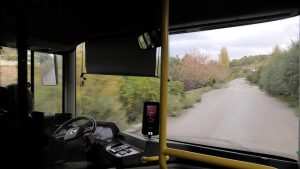
Bu hattın otobüs şoförleri sakin ve rahat olmalılar. Az insan ve az araç gördükleri için kendi başlarınadırlar bence. Yanlış tahmin etmişim. Durağı kaçırdı. Durmadan kendisine kızıyor. Sorunlarının kendisini çok bunalttığına dair benden onay bekliyor. Şoförü de düşünce hapishaneme koyup onu gereksiz yere bozkırkurduna benzetmişim demek.
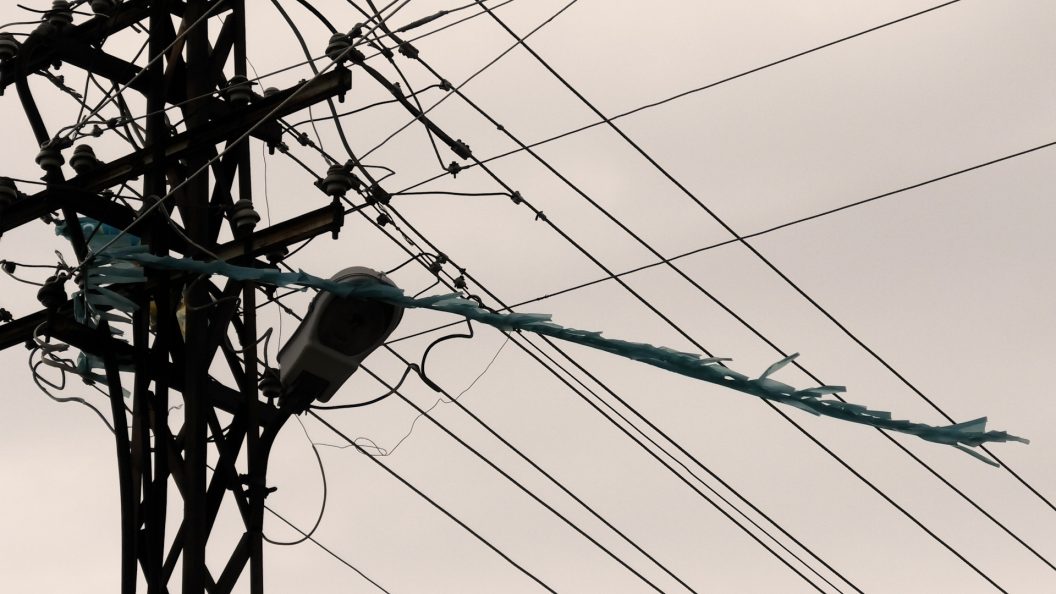
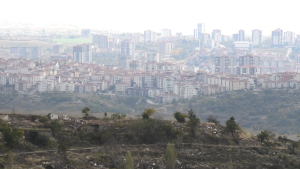
Uzaktan Ankara’nın bir tarafı görünüyor. Ankara, puslu bina silüeti demek bir tarafıyla. Uzak olması mı güzel, hâlâ orada olması mı? Yangın sonrası yaşamı kaydetmeye giderken tepenin başında karşıma çıkan hayat dolu görüntü. Bu uçurtmanın elektrik tellerine can verdiğini, tüm o kasvetli duruşlarına rağmen izlenebilir olduklarını ve herhangi bir hikâyeye konu olabilecek seviyeye ulaştıklarını söyleyebilirim. Uçurtma kuyruğunun dümdüz durduğu ve tellerin simetrik karmaşasında sadelikle süzüldüğü kayıtları aldım ki seçici olduğum anlaşılsın.
Evet, yangının olduğu araziyi bulmam gerek. Burada yaşayanlarla konuşurken varlığımı gerekçelendiremedim. Acaba burada ne arıyorum? Oysa yolda bu kaydın anlamını kafamda oturtmuştum. Yangın sonrası yeni bir yaşamın nasıl ortaya çıkabileceğine dair doğadan ipuçları arıyorum ya da bildiğim ipuçlarının gerçek olup olmadığını anlamaya çalışıyorum. Yani başkası sorarsa, “öylesine geldim” demem gerekiyor.
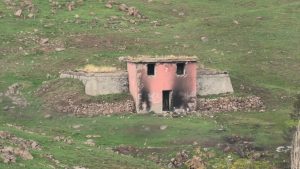 Gözleri ve ağzı simsiyah bir ev. Küllerden gözyaşı dökmüş olsa gerek, yanakları kararmış. Peki yangın nerede? El kamerasıyla otomatik alan derinliği oyunları. Bir şey söylüyormuş gibi duran, ama konuşmayan kayıtlar. Ama bu kadrajda, ev tek başına duruşundan sıkılmıyor bence. Yanındaki ağaçlar ona iyi geldi. Böylece hedefimi belirlemiş oldum. O eve ulaşmalıyım. Sanki buradaki otlar da yangından sonra yeniden yeşerip sararmışlar, sonra yenileri yeşermiş ve onlar da sararmış. Tek başına duran her şey burada yalnızlıktan ötesini söylüyor. Evin duvarında bir şey yazıyor. Bu ev yangının başladığı yer mi, yoksa yangından nasibini mi almış? Yaklaşıp çekmeli miyim? Duvarda “Ölüler görür”ü okuyabildim. Burada bile şu rezil dizinin repliği varsa daha ilerlemesem. Yangın sonrası yaşamı görmek için gelmiştim. Doğa hayatta, yanmış bir evin duvarında da “Ölüler görür” yazısı. Çevremde yeteri kadar yanmış ağaç parçaları ve yine cam kırkları. İnsan izi taşıyan her şeyin karardığı yerde, silüette taş blokların Ankara’sından taşta kararmış desene kadar alegori, sarkazm hepsinden azıcık var. Zaten burası da orman değil, ormanlık araziymiş.
Doğa yerine insanın baskın çıktığı yerde pes ettim, geri dönüyorum. Bu canım ağacın “Bozkırkurdu” yalnızlığı aklımda ve kayıtta kalsın. Bir de şu elektrik telleri arasında dans eden uçurtma kuyruğu. Biraz daha çekim yapsa mıydım pişmanlığım, otostop çektiğim arabanın evimin önüne kadar gideceğini öğrenince kayboldu. Son sözü de “Bozkırkurdu” söylesin o zaman: “Gün geçmişti; günler nasıl geçerse öyle. Onu bir şekilde geride bırakmış, usulca öldürmüştüm.”
Alper Şen – 2026
The Steppenwolf of the Trees
I had seen it in the news in August. The reports said that a fire had broken out in a wooded area on Hüseyin Gazi Hill in Ankara. In those days, I had decided to keep my distance from the spectacular power and drama of fire footage. It was something we had been saying for years: returning to an image once the stands have emptied and there is no one left watching. Seeing beyond the supply-and-demand curve, witnessing how, in the aftermath of a fire, life gradually pursues life itself, and learning something from nature’s fairytale-like reality. Or, at the very least, visiting a part of Ankara I had never been to. The things people do when they have nothing better to do…
 Does Ankara have forests? Apparently it does, or at least it must have had something that could be called a wooded area, whatever that means, since it burned. I had left Ankara behind, passing through somewhat forest-like landscapes and somewhat village-like settlements, amid a cycle of houses, rubbish, trees and construction materials. It would be difficult to call it a forest, really. Each tree seems to stand on its own, neither near nor far from the others. Two years ago, I was very excited when I read a report claiming that it had been proven that trees in forests communicate with one another. Here, though, they don’t look as if they have much to say to each other. I am not in a forest; I am in a wooded area. Like the chronically anxious people in Hermann Hesse’s “Steppenwolf”, could it be that the trees, too, do not feel they belong here? Is it like wanting to be alone while also complaining about the coldness of solitude? Better not to speak on behalf of the trees. In any case, as a human being, I am a threat to them. A line from “Steppenwolf”: “Man is nothing but a narrow and dangerous bridge stretched between nature and spirit.” So…
The bus drivers on this route must be calm and easy-going people. I imagine they are more at ease with themselves because they see so few people and vehicles. I was wrong. He missed the stop. He keeps berating himself. He seems to expect me to acknowledge just how overwhelmed he is by his problems. So I suppose I have put the driver in the prison of my own thoughts, turning him, quite unnecessarily, into a steppenwolf.
A part of Ankara is visible in the distance. In one sense, Ankara means a hazy silhouette of buildings. Is it beautiful because it is far away, or because it is still there? On my way to record life after the fire, I come across an image full of life at the top of the hill. I can say that this kite has breathed life into the electrical wires, making them worth looking at despite their otherwise gloomy appearance, bringing them to the point where they could become the subject of a story. I filmed the moments when the kite’s tail hung perfectly straight, gliding simply through the symmetrical chaos of the wires. Just to make it clear that I am selective.
Yes, I need to find the area where the fire took place. While talking to the people who live here, I couldn’t justify my presence. What am I looking for here, anyway? And yet, on the way, I had already settled the meaning of this recording in my mind. I am looking for clues in nature about how new life might emerge after a fire, or perhaps trying to find out whether the clues I thought I knew are real at all. So, if anyone asks, I suppose I will have to say, “I just happened to come by.”
A house with eyes and a mouth as black as coal. Its cheeks must have darkened from shedding tears of ash. But where is the fire? Playing with automatic depth of field on a handheld camera. Recordings that seem to be saying something, but remain silent. And yet, in this frame, I don’t think the house is tired of standing alone. The trees beside it have done it good. And so I have found my destination. I must reach that house. It seems the grasses here, too, went through a cycle of greening and turning yellow after the fire; then new ones grew, and they turned yellow as well. Everything standing alone here seems to say something beyond solitude. There is something written on the wall of the house. Is this where the fire started, or was the house simply caught in its path? Should I go closer and film it? I could make out the words “The Dead Can See”. If even this place has a line from that wretched TV series, perhaps I should go no further. I came here to see life after the fire. Nature is alive, and there, on the wall of a burned house, are the words “The Dead Can See”. There are enough charred fragments of trees around me, and yet more broken glass. In a place where everything bearing the traces of human presence has turned black, somewhere between the Ankara of stone-block silhouettes and the darkened patterns on stone, there is a little bit of everything: allegory, sarcasm. After all, this is not a forest either, but a wooded area.
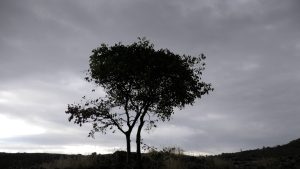 Where humanity has asserted its dominance over nature, I give up and turn back. Let the Steppenwolf-like solitude of this dear tree stay with me, and in the recording. And that kite’s tail dancing between the electrical wires, too. My regret at not filming a little longer disappeared when I learned that the car I had hitchhiked in was going all the way to my doorstep. Let “Steppenwolf” have the final word, then: “The day had passed, as days do. Somehow I had got through it, had gently put it to death.”
Alper Şen – 2026