(Scroll down for English)
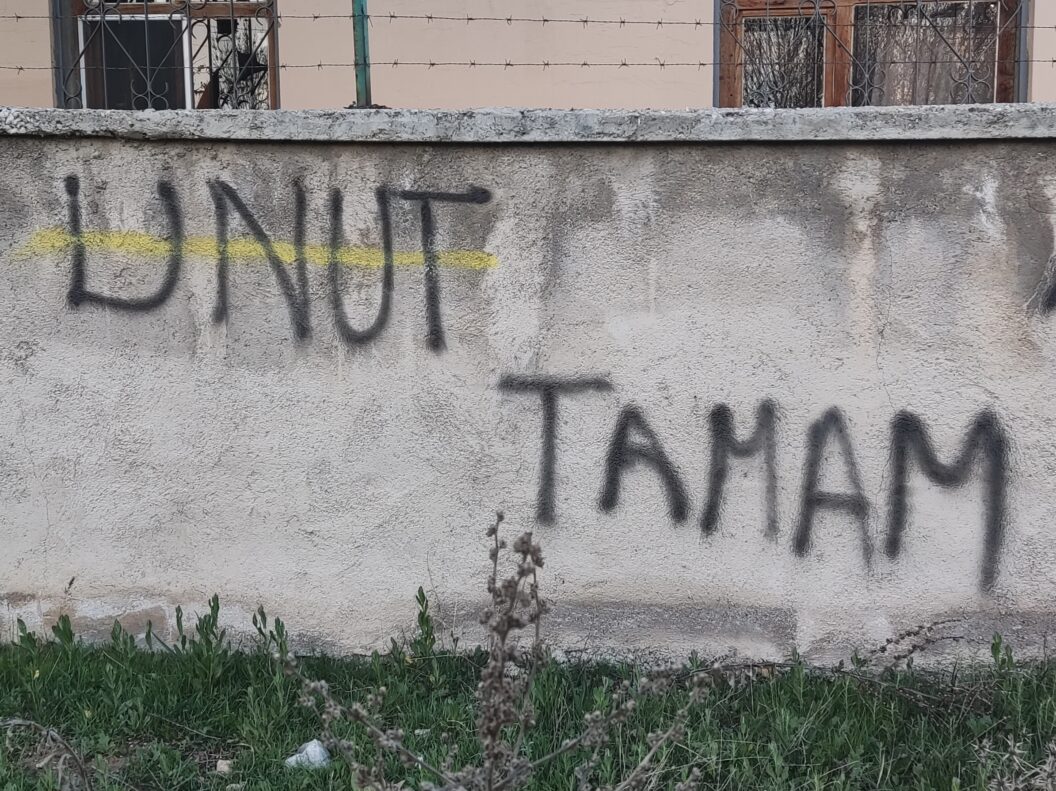
Unut Tamam
Kaydettiğin her görüntünün bir sıcaklığı var. O sıcaklık bazen ısıtıyor. Tüm duyularının geniş açılı ve zamansız hafızası yerine, kadrajın daraltabileceğin ve süresi kısıtlı hafızasına güvenmek, bir tür hafıza temizliği. Yanlış yerde ve zamanda bu kayıtları ortaya çıkartırsan o sıcaklık yakıyor, bunaltıyor, nefes aldırmıyor. Doğru zamanı da kendinle, düşündüklerinle başbaşa kalma halin söylüyor. Bir filmin ilk ve bazen de son izleyicisinin sen olduğunu düşünerek, kaygı yerine merakla kaydettiğin hafızaya geri dönme gücü bulmak, kurguya ve yazmaya tekrar oturmak.
İlk başta tepkisel olduğumu anımsıyorum böylesi hatırlama pratiklerine karşı. Herkesin mutlu göründüğü anların fotoğraflarına bakarken içimden mırıldanırdım. “Orada aslında hiç mutlu değildim” Sonrasında aslında mevzunun tam anlamıyla bu olduğunu hissettim. Kolektif hafıza kayda gireceği için düşüncelerine ve duygularına çeki düzen verdiğin anlar, hatırladıklarını nasıl onaracaksın sorusuna verilecek bir cevap… Her okumaya başladığımda birkaç sayfa sonra bıraktığım, okuduğum kadarını arada anımsamaya çalıştığım Ulus Baker’in görsel hafızaya dair metinlerinden birkaç cümle daha anımsama kuvveti…
Elbistan’da şehirde ya da yıkıntıların kıyısında dolaşırken şöyle bir niyetimin olduğunu hatırlıyorum. Kimseyle konuşamam, kimseyi yakın plan çekemem. Ne düşündüklerini, ne yaşadıklarını soramam, buna haddim yok. Bir tür görüntü ya da duygu hırsızlığı gibi geliyor artık, bir daha hiç göremeyeceğin kişilerin sözlerini, duygularını, belki ağlayışlarını kaydedip bunları onlardan bağımsız ve habersiz sanat formlarına sokmaya çalışmak… Bir yandan da video kameranın “gösteriyorum” yerine “görüyorum” hali çok güçlü. Gördüklerini düşünebiliyorsan, düşündüklerini görmeye çalışıyorsan, bunlar arasındaki çelişkiyi farkedebiliyorsan, bu hala aklının ve sezgilerinin körleşmediği anlamına geliyor. Elbistan’da bu yüzden duvar yazılarını duymaya çalıştım kaydederek. Onca olumsuz duygu içerisinde bu yazıları okuyabilirsem kentin yakında yok olacak hafızasını da okumuş olacaktım.
Olumlu görüntü çekemememiş olmanın yarattığı zorlayıcı duygu, bir yandan da bu duygunun kime neye yarayacağını bilememek… Bir mağaza mankeninin normal duruşunun çağrıştırmadığı şeylere karşın o mankeni yıkıntılarda görmek. Buna benzer bir durumu, Şengal’de başka bir yıkımın ve savaşın içinde kaydeden bir arkadaşım vardı. O mankeni, sanki gözlerinde yaş varmış gibi bir açıdan çekmişti. Ya da ben öyle görmek istemiştim. Kör göze parmak…
Yaptığımız bir sergide videoları seyreden izleyicinin “Bu görüntüler sıktı, bu tür filmler de. Başka şeyler yapın ki insanlar şaşırsın, mesela Marina Abramovic bir sergiye çıplak ayaklarla girmiş, ayaklarını kırmızı renge batırdığı için kanlı ayakizleri çıkmış tüm yol ve sergi boyunca” sözlerini hatırlamıştım tüm bu duvar yazılarını kaydederken. Bu zamanların çoklu medya dünyasında göz algısı hem işgalci hem de her şeyi kolayca sıradanlaştırıyor artık. Göremediğini görmek yerine fethetmeye ve hızlıca bir parmak darbesiyle tüketmeye çalışıyor…
Şimdi tüm bu görüntülere bakarken ben de ne düşünmem gerektiğini kestiremiyorum. Kaydettiğini unutman ya da kayıtlardan silmen gerekir hafızandan tamamen çıkması için. O kayıtların bir süre sonra “kıymetlimiz”e dönüşmesini istememek. Her duygunun düşüncenin kayda geçmiş hallerinin artı değere dönüşebileceğinden korkmak… Hafızanın hatırlama ile değil, unutma ile çalıştığını tekrarlamak. Yine de kaydetmeye devam etmek. Bir yandan da içinde hiç kapanmayacakmış gibi hissettiğin düşünce parantezini kapatmak isteği.
Bir belgesel yönetmenine geri dönüşüm işçilerinin yaşadığı sorunları anlatırken, sözümü kibarca kesip “ben bu konuda bir belgesel yaptım zaten” demişti. Sonrasında anlatmaya devam edemedim. Onun düşünce parantezi çoktan kapanmıştı. Her maraz bir konuya dönüşebiliyor sanatçı için. O marazı yontup başka bir forma dönüştürünce sorunu da kendi dünyasında çözmüş oluyor. “Ben yapacağımı yaptım, bundan sonrası izleyicinin derdi” gibi…
Evet, yapacağım buydu. Duvarları dinledim, okuduklarım da insanların uzaktan yüzleri oldu. Gördüklerimi çok da anlatmama gerek yoktu sanki, ama hatırlattığı çağrışımları görünmüyordu. Onları anlatmaya çalıştım. Tüm bu deprem hafızasında yürürken ayakkabımda kalan taşı çıkartmak için durmuş oldum. Başı sonu belli bir akış yaptım. Birazdan kısa jenerikle beraber yürümeye devam edeceğim.
Forget Alright
Every recorded image has a certain warmth. Sometimes that warmth can be comforting, even sustaining. Instead of relying on a wide-angle, timeless memory that spans all your senses, trusting a narrowed frame and a time-limited memory is a kind of memory cleansing. If you bring those recordings up at the wrong place and time, that warmth burns—it overwhelms, suffocates, doesn’t let you breathe. The right timing is determined by your state of being alone with yourself and your thoughts. Thinking of yourself as the first—and sometimes the last—viewer of a film, finding the strength to return to that recorded memory with curiosity instead of anxiety, is what allows you to sit down again for editing and writing.
I remember being reactive at first to such practices of remembering. When I looked at photographs of moments where everyone seemed happy, I used to murmur to myself: “I wasn’t actually happy there.” Later I realized that this was exactly the point. Moments in which you adjust your thoughts and emotions because they will enter a collective memory become, in themselves, an answer to the question of how you will repair what you remember. A bit more capacity for recollection of a few sentences from Ulus Baker’s texts on visual memory—texts I often start reading but abandon after a few pages, only to intermittently try to recall what I’ve read…
I remember having a certain intention while wandering through Elbistan, in the city and at the edge of the ruins: I cannot talk to anyone, I cannot film anyone in close-up. I cannot ask what they think or what they are going through; I have no right to do that. It now feels like a kind of image or emotion theft—trying to turn the words, feelings, perhaps even the cries of people I will never see again into an art form independent of them and without their knowledge. At the same time, the “seeing” mode of the video camera—rather than “showing”—is very powerful. If you can think about what you see, if you try to see what you think, if you can recognize the contradiction between them, it means your mind and intuition have not yet been dulled. That is why, in Elbistan, I tried to “hear” the wall writings by recording them. Amid so much negativity, if I could read those writings, I would also be reading the city’s soon-to-disappear memory.
The difficult feeling created by not being able to capture positive images… and at the same time not knowing who or what that feeling serves. A mannequin in a store, standing in a neutral pose, evokes nothing in itself—but seeing that same mannequin among ruins creates something entirely different. A friend of mine once recorded a similar situation amid another destruction and war in Shengal. He had filmed the mannequin from an angle that made it look as if there were tears in its eyes. Or perhaps I just wanted to see it that way. As if to hammer the point home… unmistakably obvious.
I remembered a comment from an exhibition we held, while recording all these wall writings. A viewer watching the videos said: “These images are boring, like those kinds of films. Do something different so people are surprised—for example, Marina Abramović once walked into an exhibition barefoot, and because she had dipped her feet in red paint, she left bloody footprints throughout the entire space.” In today’s multi-media world, visual perception has become both invasive and something that quickly banalizes everything. Instead of seeing what it cannot see, it tries to conquer and consume everything with a quick swipe of a finger.
Now, as I look at all these images, I also cannot quite tell what I am supposed to think. Perhaps you need to forget what you record, or erase it from your memory, so that it fully disappears. Not wanting those recordings to turn into something “precious” after a while. Fearing that every recorded emotion and thought might turn into surplus value. Repeating that memory works not through remembering but through forgetting. And yet, continuing to record. At the same time, there is the desire to close a bracket of thought that feels as if it will never close.
While I was explaining the problems faced by waste pickers to a documentary filmmaker, he gently interrupted me and said, “I’ve already made a documentary about this.” After that, I couldn’t continue. His bracket of thought had already closed. Every affliction can become a subject for the artist. Once that affliction is carved into another form, the problem is considered resolved within their own world. “I’ve done my part, what comes next is the audience’s concern”…
Yes, that was what I was going to do. I listened to the walls; what I read became distant human faces. It felt as if there was no need to explain what I saw, but the associations it triggered were invisible. I tried to convey those instead. Walking through all this earthquake memory, I stopped only to remove a stone from my shoe. I made a sequence with a beginning and an end. I will soon continue walking, accompanied by a short credit roll.
Alper Şen – 2025